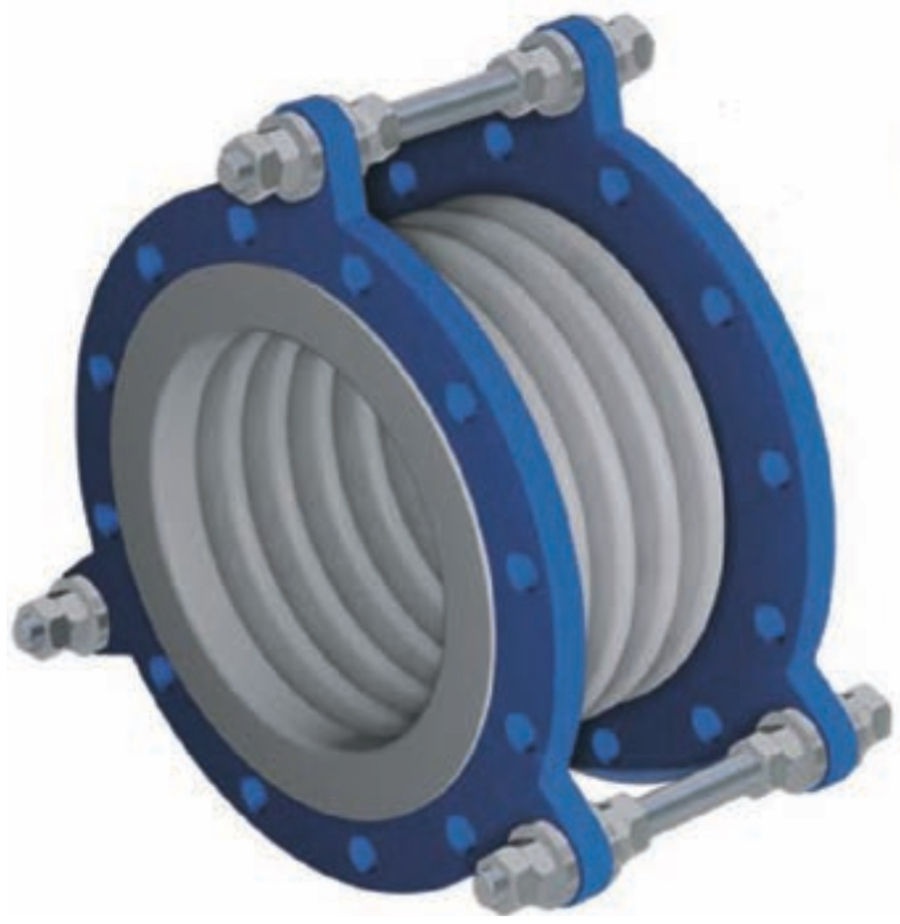
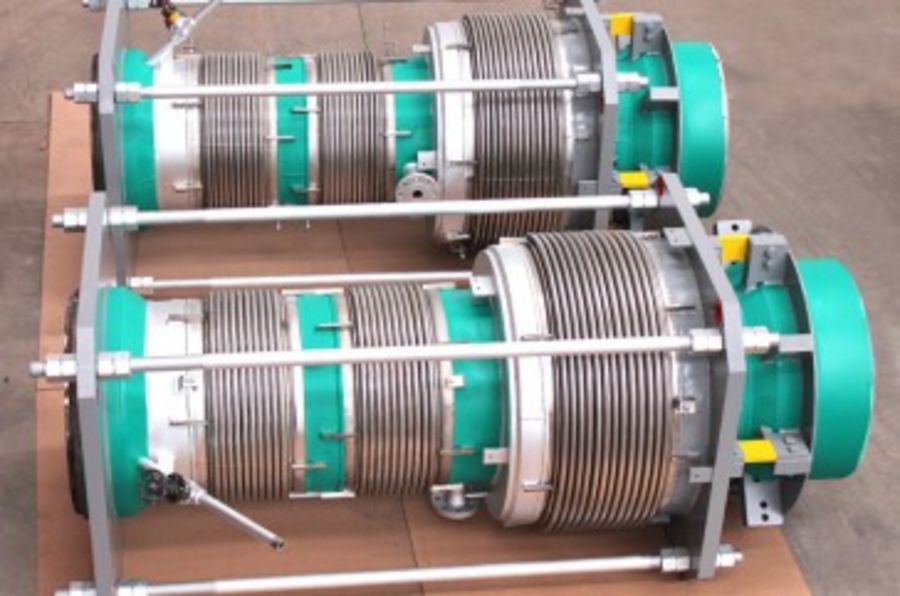
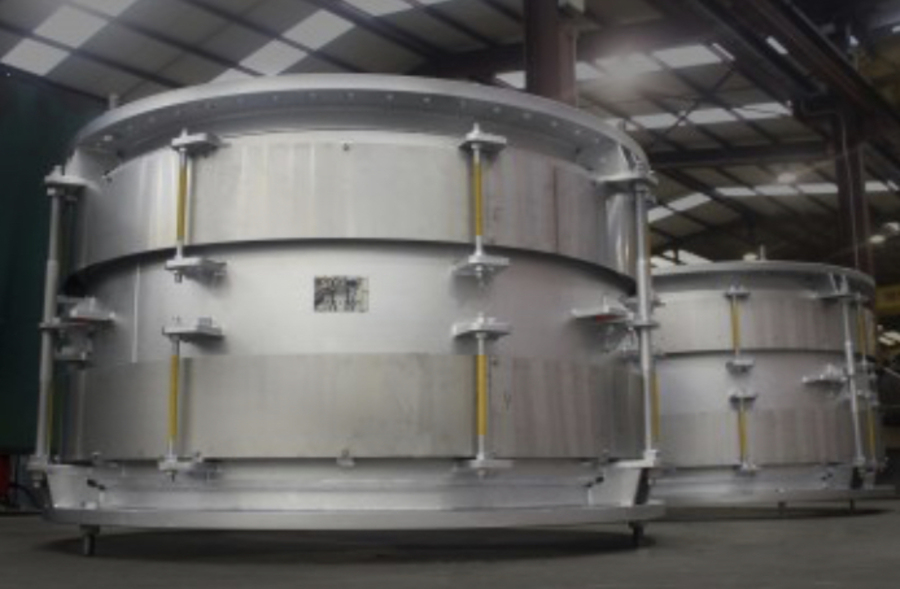
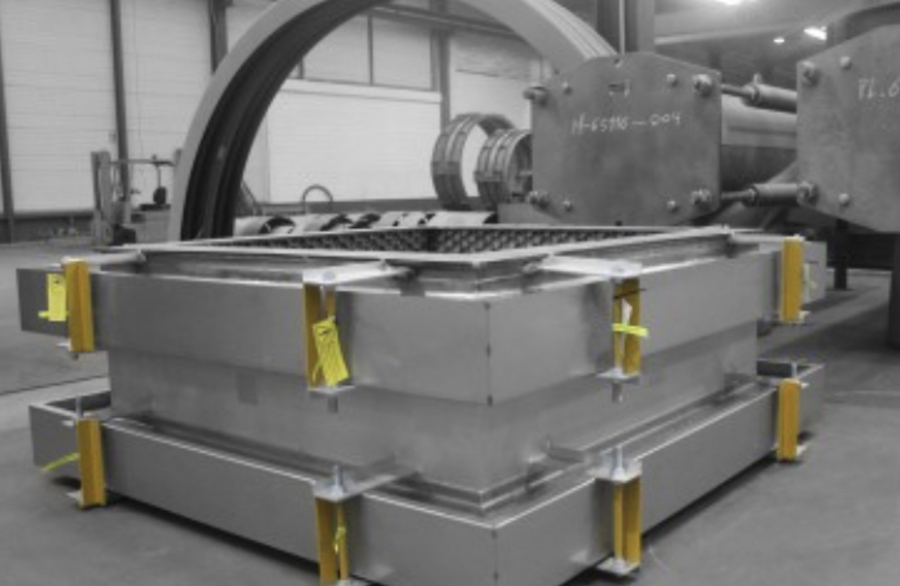
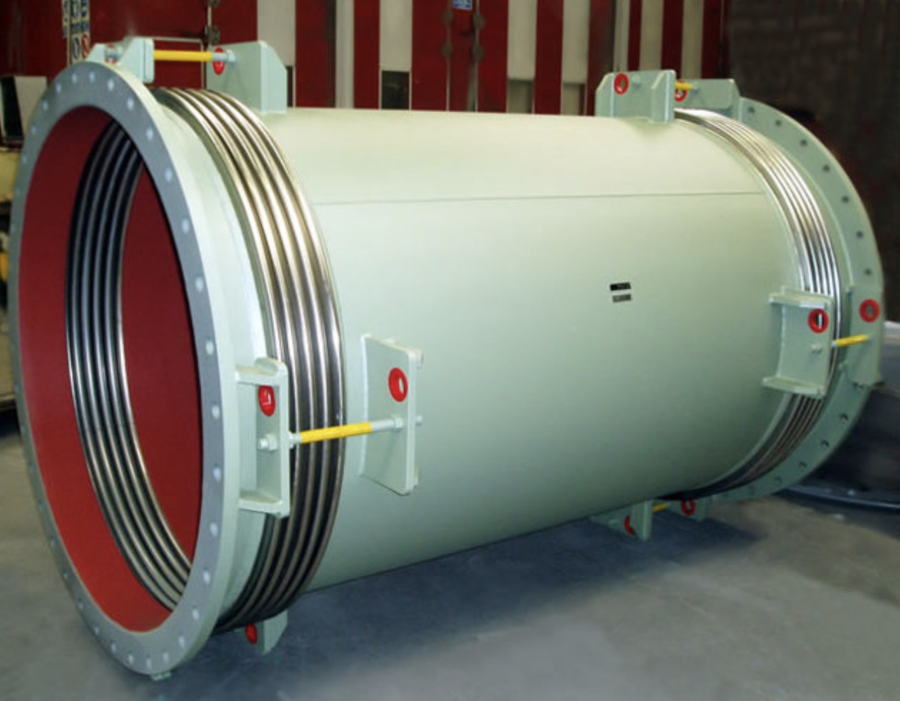
Expansion Joints for Refineries, Chemical Plants & Gas Transmission
There are many forces in piping and ducting systems in refineries, chemical plants, and pipeline applications. These stressors like vibration, thermal expansion & contraction, misalignments and others must be accounted for with the use of industrial expansion joints. Determining the right type of expansion joint for the forces it will face is key to safer work environments. Utilizing the expertise of Macoga - we can help you design the right fit for your application.
At R&H, we can cut through the clutter and assist you in sourcing your equipment efficiently and cost-effectively. Call today to see how we can assist you with our engineered expansion joint solutions
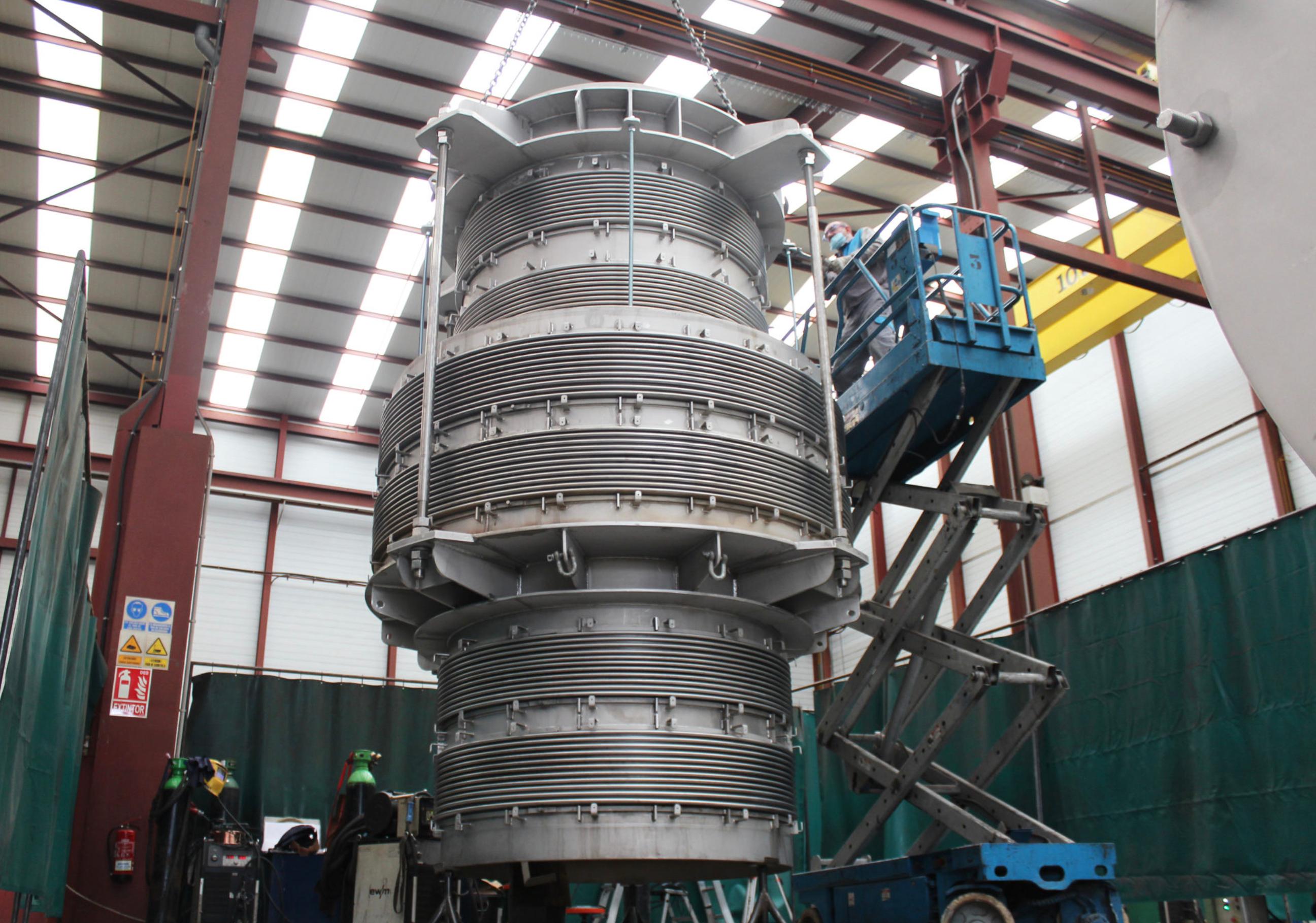
Macoga Expansion Joint Sizing & Capabilities:
- Macoga Expansion Joints: Sizes ranging from 15mm to 8,000mm
Industrial Expansion Joint Types:
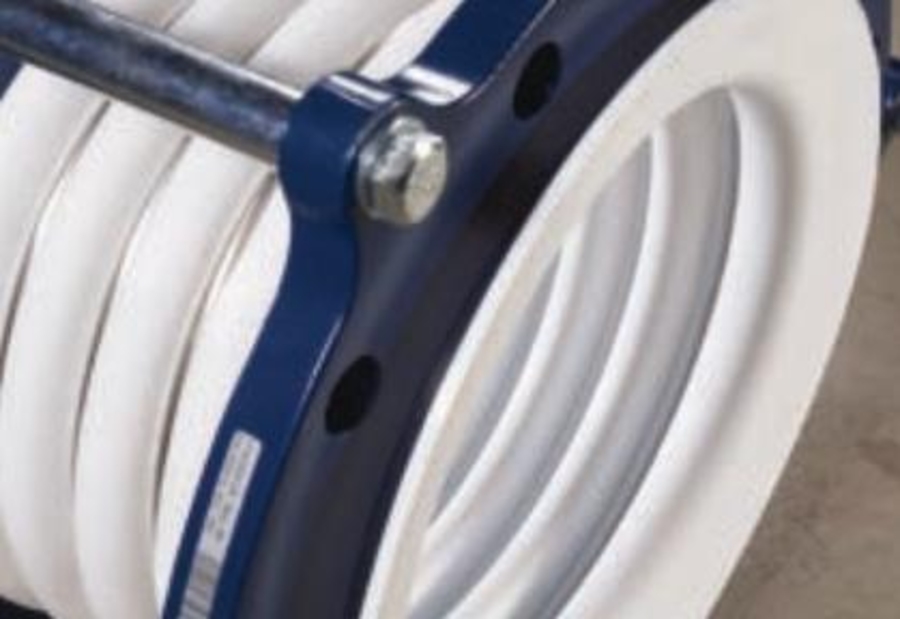
- Fabric Expansion Joints
- FCCU Expansion Joints
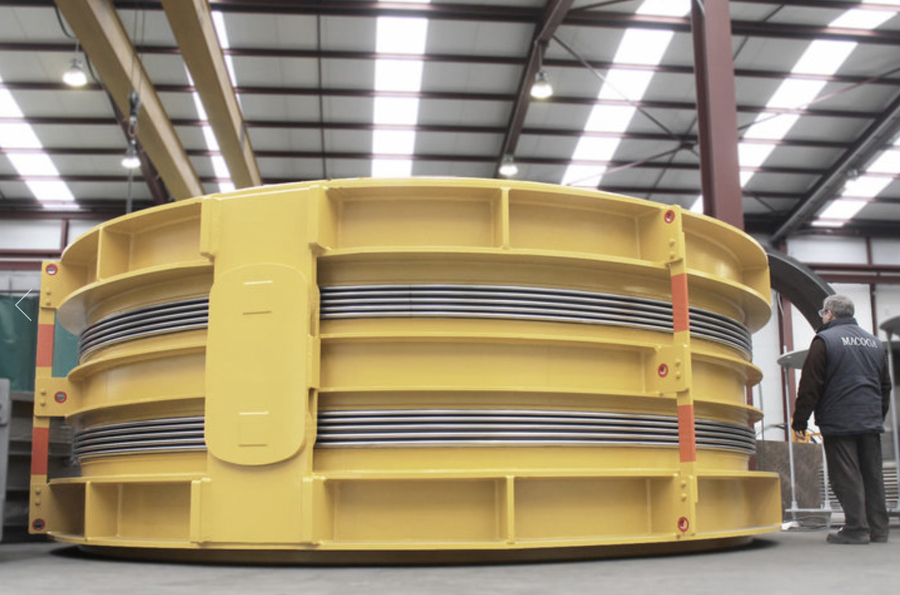
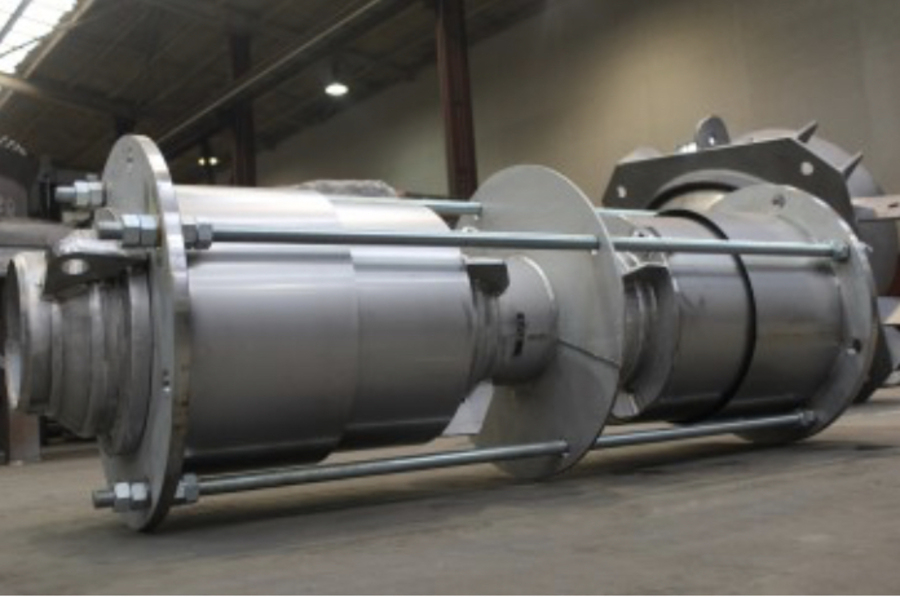
- Metal Expansion Joints
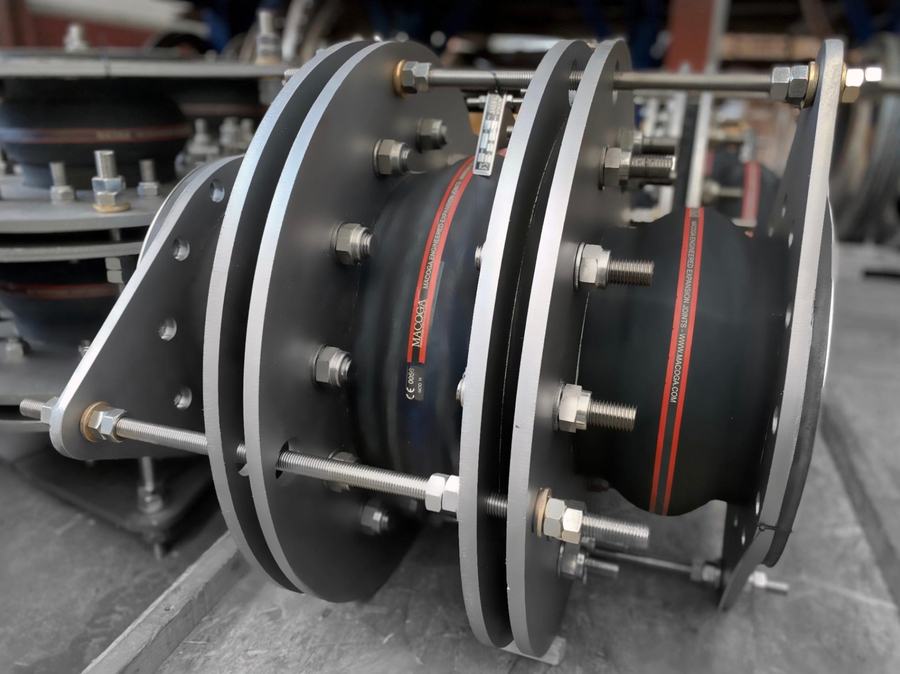
- Rubber Expansion Joints
- Steam Turbine Expansion Joints
- Flanged and Flued Expansion Joints
- Clamshell Expansion Joints
Rely on our expertise to design the perfect expansion joint for your application. Contact us today and explore our engineered solutions for industrial expansion joints.
Frequently Asked Questions
What's the difference between buying through R&H Technical versus going direct to the manufacturer?
Going direct works fine when you already know exactly what you need, the order is a straight repeat, and the OEM has a North America team available when you need them. Where R&H adds value is at the specification and application stage: walking through the service conditions with you, working the corner cases (custom geometries, non-standard movements, licensor-specific requirements), and getting the right people at Macoga engaged on the right questions before the order is placed. We're an extension of the OEM's reach into the Gulf Coast, not a markup in the middle. Having someone regionally based who knows your kind of equipment and service is the difference between a part number and a solution.
Do you provide material certifications and documentation?
Yes. Macoga maintains a full QA/QC program that includes Positive Material Identification (PMI), radiographic, liquid penetrant, and ultrasonic examination, with documentation appropriate to the order. Documentation packages typically include mill certifications and material test reports, dimensional inspection records, NDE reports, pressure test records, and, where applicable, ASME conformance documentation. For FCCU and other safety-critical services, full traceability from heat number through final assembly is the norm. If your specification calls for a particular MTR format, third-party witness inspection, or additional NDE beyond the standard package, let us know up front, and we'll confirm what's required and what it takes to deliver it.
How do I specify the right expansion joint for my application?
The core inputs we need to specify a joint correctly: operating and design pressure, operating and design temperature (including any excursions or upset conditions), pipe size and schedule, end connection type (weld, flanged, grooved), the medium in service with composition where corrosion or chloride exposure is a factor, the movements the joint has to absorb (axial, lateral, angular, and how much of each), expected cycle life over the design life of the unit, and any installation constraints (face-to-face dimension available, anchor and guide locations, accessibility for maintenance). If you have a piping isometric, send it. If you're replacing an existing joint and don't have original documentation, photos with a tape measure and the nameplate (if it's still legible) are usually enough to start. Our team can take it from there.
What size range of expansion joints do you supply?
Through Macoga, the standard manufacturing range runs from 15mm to 8,000mm in diameter, covering pressure classes from full vacuum through high-pressure service and temperature ranges from cryogenic through elevated-temperature applications including FCCU service. Configurations are available in standard and fully custom designs in all the categories above (metal, fabric, rubber, FCCU, steam turbine, flanged and flued, clamshell). If you have an application that's outside a typical envelope (extreme dimensions, unusual movements, an alloy that's not on a published list) that's exactly the kind of conversation worth starting with a phone call. Tell us the application; we'll confirm the right path.
What standards apply to expansion joints in refinery and chemical plant piping?
The primary governing standard depends on the service. ASME B31.3 (Process Piping) covers most refinery and chemical plant piping, including expansion joint installation requirements. ASME B31.1 (Power Piping) governs steam and hot water systems in power plants and cogeneration facilities. ASME B31.4 covers liquid hydrocarbon pipelines. The bellows itself is designed to EJMA Standards (11th Edition) and, as a pressure-containing component, is often designed to ASME Section VIII, Division 1. For licensor-specific service (FCCU is the obvious example), the licensor's specifications (UOP, KBR, Axens, ExxonMobil) layer on top. Critical services require full material traceability and documentation aligned with the applicable code; we supply expansion joints for Houston and the Gulf Coast with that documentation as a matter of course.